


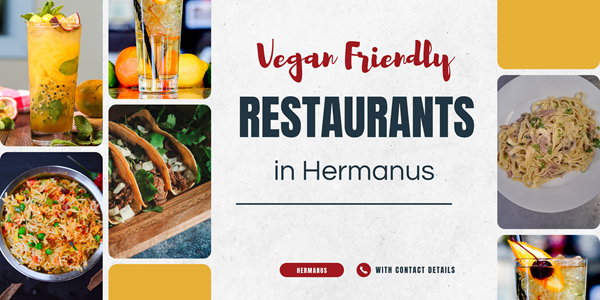
Vegan Lifestyle and Dining Options in Hermanus
Discover the principles, benefits, and lifestyle aspects of veganism, from food choices to sustainability and global trends. Learn how to embrace the vegan life.
Veganism has shifted from being a niche lifestyle choice to a global movement influencing food culture, consumer habits, and even environmental policies. While some people view veganism as a diet, it is far more than that—it’s a lifestyle guided by the principle of avoiding the use of animal products as much as possible. From the food on your plate to the clothes you wear and the cosmetics you use, veganism is about living in a way that minimises harm to animals and the planet.
This guide explores what veganism truly means, the motivations behind it, the challenges vegans face, and how it’s shaping modern society.
1. What Is Veganism?
At its core, veganism is the practice of avoiding animal products and by-products in all aspects of life. That means:
- Dietary choices: No meat, dairy, eggs, honey, or products derived from animals like gelatin or casein.
- Clothing: Avoiding leather, wool, silk, and other animal-based materials.
- Products: Choosing cruelty-free cosmetics and household items.
While plant-based eating focuses on diet alone, veganism encompasses ethics, environmental awareness, and compassion toward all living beings.
2. Why People Choose Veganism
The decision to go vegan is deeply personal, but most motivations fall into three main categories:
a) Ethical Reasons
Vegans often choose the lifestyle to avoid contributing to animal suffering and exploitation. The meat, dairy, and egg industries involve practices that many people find unacceptable once they learn more about them.
b) Environmental Impact
Animal agriculture is a major contributor to greenhouse gas emissions, deforestation, and water pollution. Many see veganism as a way to reduce their personal environmental footprint.
c) Health Benefits
Studies have linked well-planned vegan diets to lower risks of heart disease, high blood pressure, type 2 diabetes, and certain cancers. Veganism can also help with weight management and improved digestion.
3. The Health Side of Veganism
A balanced vegan diet is rich in fibre, vitamins, and antioxidants. It typically includes:
- Fruits and vegetables
- Whole grains
- Legumes (beans, lentils, chickpeas)
- Nuts and seeds
However, vegans need to ensure they get enough of certain nutrients that are more abundant in animal products, such as:
- Vitamin B12 (often taken as a supplement)
- Omega-3 fatty acids (from flaxseed, chia, walnuts, or algae-based supplements)
- Iron and zinc (from beans, lentils, pumpkin seeds)
- Calcium (from fortified plant milks and leafy greens)
With planning, vegan diets can be healthy and nutritionally complete for all ages.
4. The Social Side of Being Vegan
Adopting veganism often means navigating social situations differently. Family gatherings, business lunches, and dining out can sometimes be challenging if options are limited. However, as awareness grows, more restaurants, cafés, and supermarkets are offering vegan-friendly options.
Social media has played a big role in creating supportive communities where vegans can share recipes, tips, and local recommendations.
5. Common Misconceptions About Veganism
“Vegan diets are boring.”
On the contrary, vegan cuisine includes rich, flavourful dishes from all over the world, from spicy Thai curries to creamy Italian pasta made with cashew cheese.
“Vegans don’t get enough protein.”
Protein is abundant in plant foods like lentils, tofu, quinoa, and beans. Most people can easily meet their protein needs without animal products.
“It’s expensive to be vegan.”
While some specialty vegan products can be costly, staples like rice, beans, potatoes, and seasonal vegetables are often among the most affordable foods.
6. Veganism and Sustainability
Veganism’s environmental impact is one of its strongest appeals. Producing plant-based foods typically requires fewer resources and generates fewer emissions than animal agriculture. Studies suggest that shifting toward plant-based diets could significantly reduce global greenhouse gas emissions and free up vast amounts of farmland for rewilding or reforestation.
7. The Vegan Economy
The rise of veganism has influenced markets worldwide:
- Food industry: More vegan-friendly restaurants, plant-based meat alternatives, and dairy-free products.
- Fashion: Growth in synthetic leather, organic cotton, and innovative fabrics like pineapple leather and mushroom leather.
- Beauty: Expansion of cruelty-free and vegan-certified skincare and cosmetics.
Companies are recognising that catering to vegans isn’t just a moral choice—it’s good business.
8. Challenges Vegans Face
Despite growing awareness, vegans still encounter obstacles:
- Limited options in certain regions
- Lack of understanding from friends or family
- Need for careful label reading to avoid hidden animal ingredients
These challenges often encourage creativity in the kitchen and more active engagement with local communities and advocacy groups.
9. Veganism Around the World
Different cultures offer naturally vegan-friendly cuisines:
- India: Lentil dals, vegetable curries, roti, and chutneys
- Middle East: Hummus, falafel, tabbouleh, baba ganoush
- Ethiopia: Injera with spicy lentil stews
- Mediterranean: Fresh salads, roasted vegetables, olive oil-based dishes
Many traditional recipes can easily be adapted to be vegan without losing their authentic flavour.
10. How to Transition to Veganism
Going vegan doesn’t have to be an overnight change. Many people start with Meat-Free Mondays or by replacing dairy milk with plant-based alternatives. Gradually increasing plant-based meals allows taste preferences and cooking skills to adjust naturally.
Practical tips:
- Explore new recipes each week
- Learn to read ingredient labels
- Connect with vegan communities for support
- Stock your kitchen with versatile staples like lentils, oats, and nuts
11. The Future of Veganism
With technological innovations like lab-grown meat and improved plant-based alternatives, veganism is becoming more accessible and appealing. As more people recognise its ethical, environmental, and health benefits, it’s likely that vegan options will become standard rather than special-request items in restaurants, schools, and workplaces.
Conclusion
Understanding veganism goes beyond simply knowing what vegans eat—it’s about recognising a lifestyle centred on compassion, sustainability, and health. Whether someone chooses veganism for ethical, environmental, or personal health reasons, it represents a conscious effort to live in a way that minimises harm and promotes a more sustainable world.
As awareness continues to spread, veganism will likely play an even greater role in shaping the future of food, fashion, and consumer habits. And with the wealth of delicious plant-based options available today, living vegan has never been more achievable—or enjoyable.
Vegan Friendly Restaurants in Hermanus
Hermanus might be famous for its seafood, but the town has embraced the growing demand for plant-based dining. More cafés, bistros, and restaurants now offer vegan-friendly dishes, dairy-free options, and fresh, seasonal meals that cater to cruelty-free living.
This list highlights the top 10 places to enjoy a satisfying vegan meal in Hermanus, whether you’re a local, a weekend visitor, or a tourist on a plant-based journey.

Vegan Friendly Restaurants in Hermanus
1. The Eatery
The Eatery has built a loyal following among vegans for its vibrant salads, wholesome wraps, and customizable bowls. Their focus on fresh, locally sourced ingredients means every meal is colourful, nutrient-rich, and full of flavour.
Vegan Highlights:
- Roasted Vegetable Wrap with Hummus
- Vegan Buddha Bowl with Quinoa
- Cold-pressed juices and smoothies
Contact/WhatsApp 076 810 0885
Email: beccy.matthysen@gmail.com
2. Soul Café
A go-to for the health-conscious, Soul Café specialises in clean eating and plant-based goodness. With an airy atmosphere and friendly service, it’s the perfect breakfast or lunch spot for vegans.
Vegan Highlights:
- Açaí Bowl topped with fresh fruit
- Chickpea and Avocado Salad
- Raw Vegan Brownies
Contact 028 313 2137
3. Betty Blue Bistro
This cheerful bistro is known for its breakfast and brunch, with several vegetarian dishes easily adapted to vegan. They also offer gluten-free options, making it a favourite for those with dietary restrictions.
Vegan Highlights:
- Vegan Pancakes with Maple Syrup and Berries
- Mushroom and Spinach Breakfast Bowl
- Freshly pressed juices
Contact 028 125 0037
Email: info@bettyblue.co.za
4. The Art Café
Part art gallery, part café, this venue offers a relaxing space to enjoy plant-based lunches. Their wraps, salads, and dairy-free coffees make it a simple but satisfying vegan choice.
Vegan Highlights:
- Falafel and Hummus Wrap
- Avocado and Seed Salad
- Coconut Milk Cappuccino
Contact 082 316 4787
5. Just Pure Bistro
With its sea view and wholesome menu, Just Pure Bistro offers several plant-based options. Many of their salads and bowls can be made vegan by swapping dressings and omitting cheese.
Vegan Highlights:
- Seasonal Garden Salad
- Vegetable Curry with Coconut Milk
- Freshly squeezed juices
Contact 028 313 0060 or 083 5000 770
Email: info@justpure.co.za
6. Lemonicious
Known for its creative vegetarian dishes, Lemonicious is happy to prepare vegan versions upon request. The emphasis is on fresh, light meals packed with natural flavours.
Vegan Highlights:
- Grilled Veggie Plate
- Couscous and Roasted Pumpkin Salad
- Dairy-free smoothies
Contact 082 33 44 034
Email: info@fusioncafe-hermanus.co.za
7. Fusion Restaurant
A mix of global flavours, Fusion’s menu includes a selection of vegetarian dishes that can be veganised. Their creative approach to seasoning and plating makes them a top choice for a plant-based dinner.
Vegan Highlights:
- Vegetable Stir-Fry with Rice Noodles
- Spiced Lentil Curry
- Fresh Tropical Fruit Sorbet
Contact 083 657 0191 or 072-883-3894
8. The Bistro at Just Pure Guesthouse
Different from the main Just Pure Bistro, this smaller, more intimate dining spot offers a calm environment for breakfast or lunch. They serve simple, plant-based plates with fresh herbs and vegetables.
Vegan Highlights:
- Fresh Tomato and Basil Pasta (no cheese)
- Seasonal Fruit Bowl
- Almond Milk Cappuccino
9. Hermanus Country Market Stalls
While not a restaurant in the traditional sense, the Hermanus Country Market deserves a spot on this list. The market is packed with vegan food stalls selling plant-based pastries, dairy-free drinks, and farm-fresh produce every Saturday morning.
Vegan Highlights:
- Vegan Muffins and Cakes
- Fresh Organic Produce
- Almond and Oat Milk Coffees
10. Ficks Restaurant
Perched right above the ocean, Ficks offers spectacular views and a Mediterranean-inspired menu. While seafood is their speciality, they will happily create vegan-friendly tapas on request.
Vegan Highlights:
- Marinated Olives and Fresh Bread
- Grilled Seasonal Vegetables
- Tomato and Herb Salad
Tips for Dining Vegan in Hermanus
- Ask Before Ordering: Many vegetarian dishes can be made vegan with simple adjustments.
- Book Ahead for Custom Meals: Some restaurants, especially fine dining spots, will prepare a dedicated vegan dish if you request it in advance.
- Support Vegan-Friendly Spots: Frequenting these venues encourages them to expand their plant-based offerings.
FAQ – Vegan-Friendly Restaurants in Hermanus
Q: Are there 100% vegan restaurants in Hermanus?
A: No, but several restaurants and cafés offer excellent vegan-friendly meals.
Q: Do most restaurants in Hermanus offer dairy alternatives?
A: Yes, many cafés now offer almond, oat, and coconut milk for coffee and smoothies.
Q: Is it necessary to book in advance for vegan meals?
A: Not always, but for fine dining or special requests, calling ahead is recommended.
Q: Can I find vegan desserts in Hermanus?
A: Yes, places like Soul Café and Hermanus Country Market offer raw vegan treats, sorbets, and dairy-free bakes.
Q: Is veganism just a diet?
A: No, veganism is a lifestyle that avoids the use of animal products in food, clothing, cosmetics, and more.
Q: Can vegan diets provide enough protein?
A: Yes, protein can be sourced from legumes, tofu, nuts, seeds, and whole grains.
Q: Why do people go vegan?
A: Motivations include animal welfare, environmental concerns, and health benefits.
Q: Is it expensive to be vegan?
A: Not necessarily—many staple vegan foods are inexpensive, such as rice, beans, and vegetables.
Q: Can children follow a vegan diet?
A: Yes, with proper planning to ensure all nutrient needs are met.
Primary Keywords
- vegan Hermanus
- vegan-friendly restaurants Hermanus
- plant-based restaurants Hermanus
- vegan cafés Hermanus
- vegan food Hermanus
- vegan-friendly places to eat Hermanus
- where to eat vegan in Hermanus
- vegan guide Hermanus
- vegan-friendly Hermanus
Long-Tail Keywords
- best vegan breakfast Hermanus
- vegan lunch spots Hermanus
- vegan dessert Hermanus
- vegan picnic spots Hermanus
- vegan-friendly fine dining Hermanus
- plant-based meal ideas Hermanus
- vegan-friendly markets Hermanus
- dairy-free coffee Hermanus
Vegan Friendly Restaurants in Hermanus